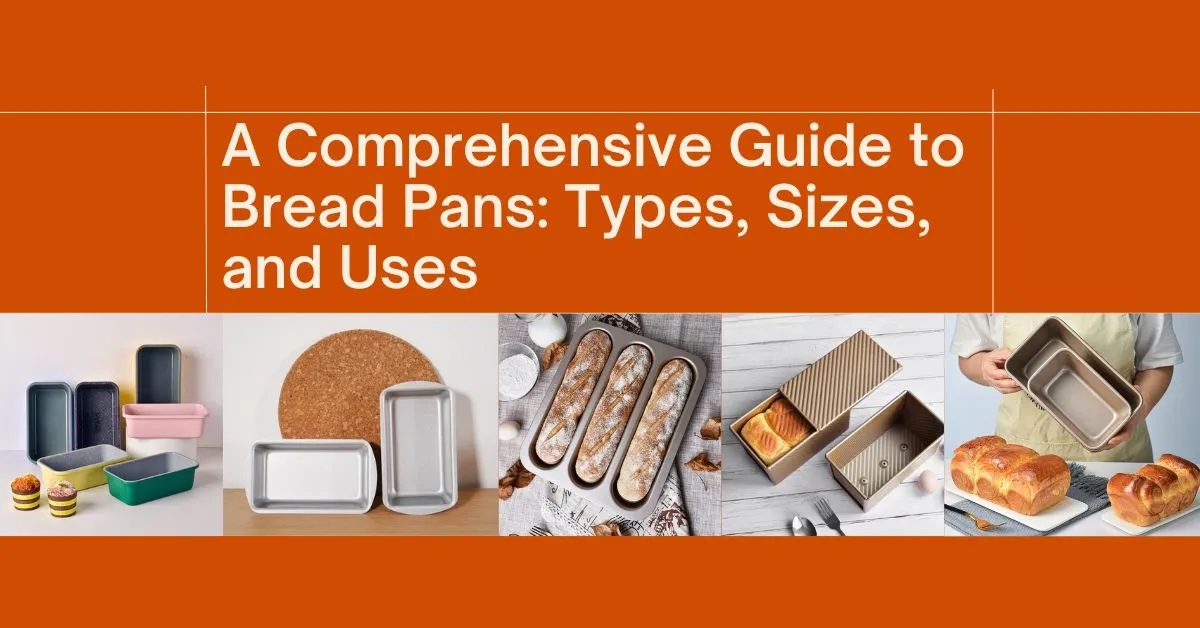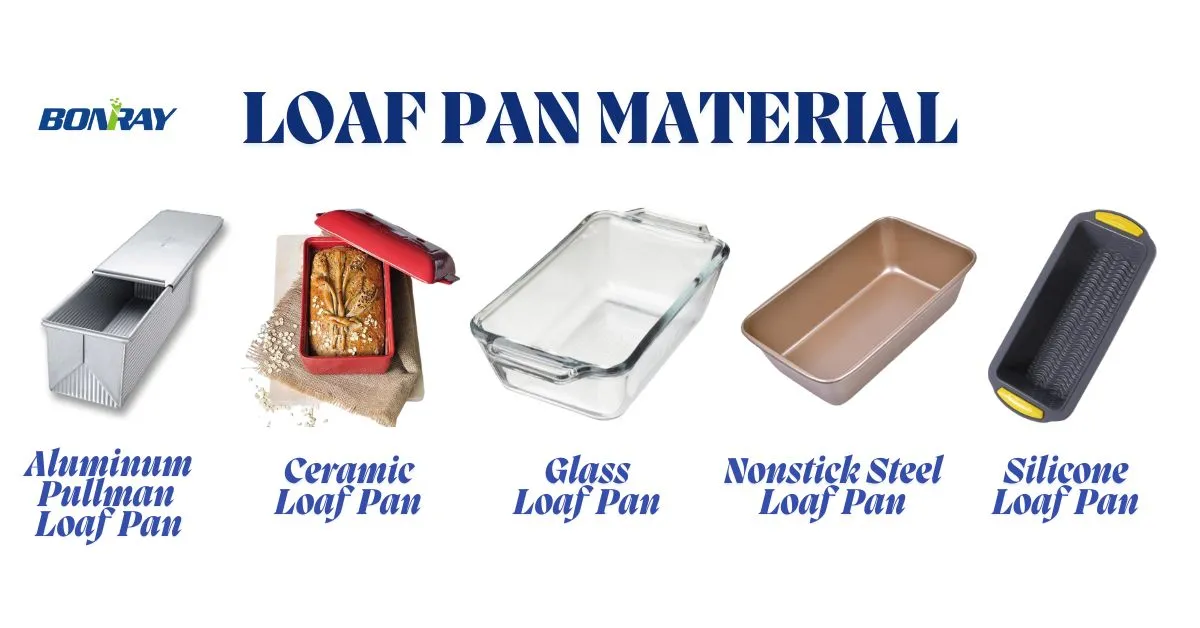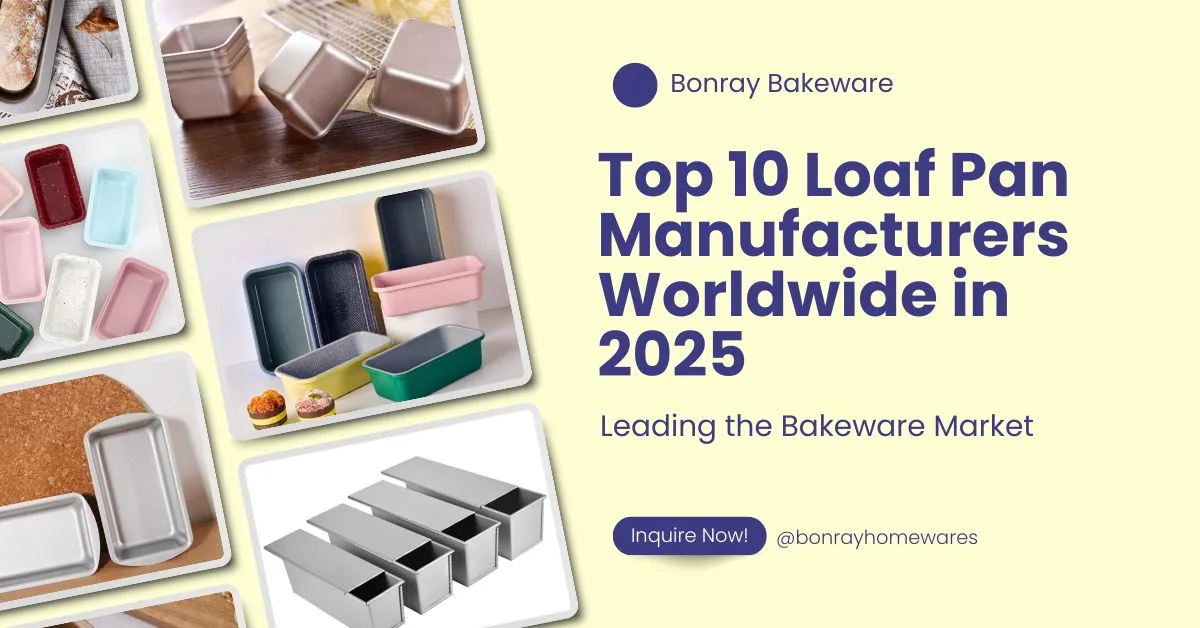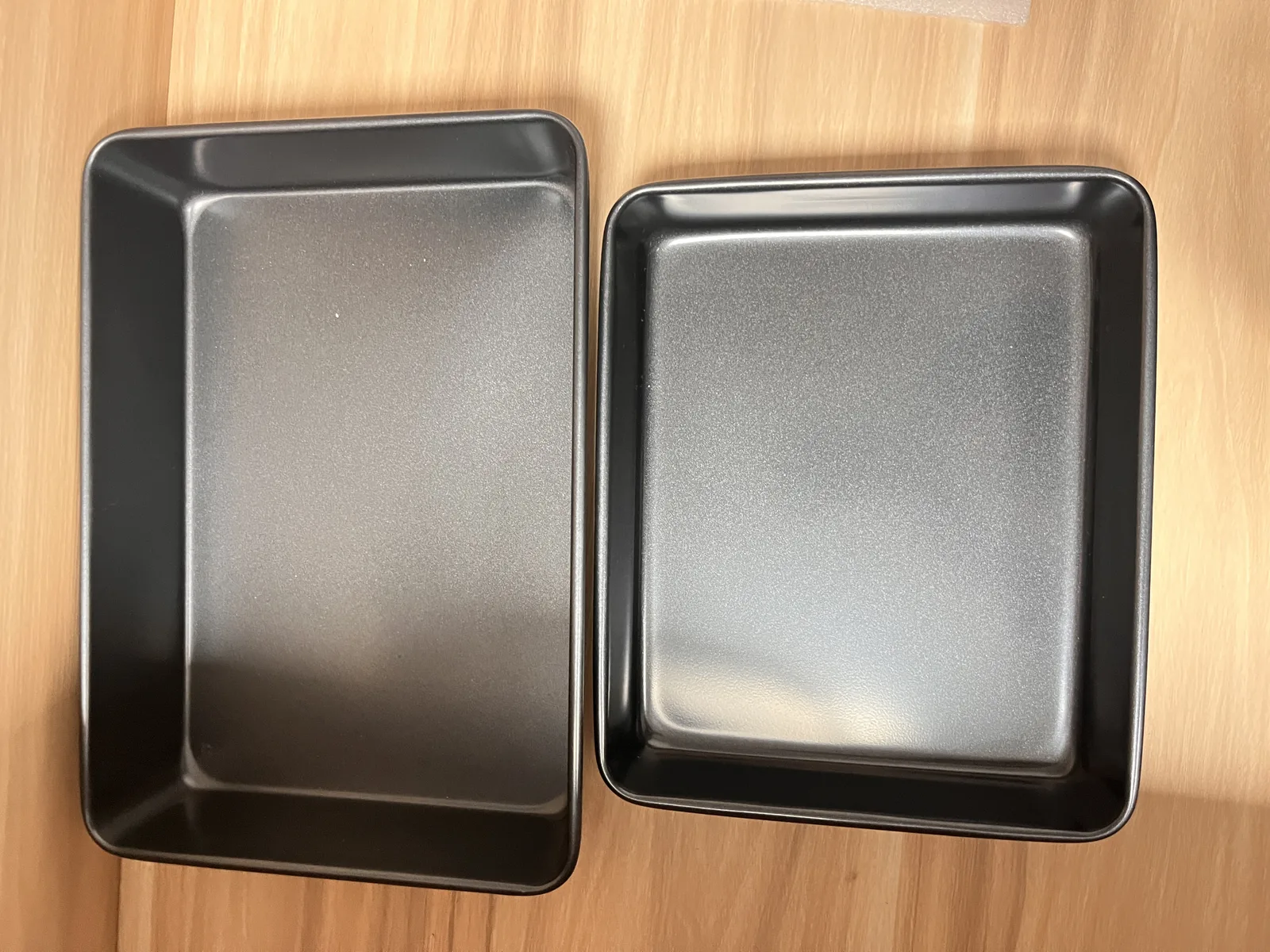

Neither material wins on its own. Carbon steel gives you even browning, a sturdy feel and strong warp resistance when the gauge is heavy and the rim is rolled — which is why it suits loaf pans, cake pans and roasting pans. Aluminum is lighter, heats faster and suits large flat trays and cookie sheets, where weight matters. Before you choose, check three things: the gauge, the rim, and the coating system with its food-contact test report. Those three decide whether the pan survives its first year on your shelves.
This guide is written for brands, wholesalers and retailers sourcing OEM bakeware for a retail line. It is not for buyers hunting the single cheapest pan, and it does not cover cookware such as frying pans or stockpots — those are different buying decisions.
The complaint that usually starts this decision
Picture this: your new baking tray line has been on the shelf for two months. A retail customer sends a photo. The tray has bowed in the middle, the coating is lifting at one corner, and the customer wants to know what you are going to do about it. You did not buy a bad pan on purpose. You bought a pan whose gauge, rim and coating nobody asked about before the order went in.
That is the real cost of choosing bakeware by material name alone. Carbon steel and aluminum are both good materials. The failures buyers actually live with — warping, peeling coating, uneven browning, a pan that feels flimsy in the hand — almost always come from the three details this guide covers: how thick the metal is, how the rim is built, and which coating system is on it.
If that photo has landed in your inbox before, this article is for you. If it has not, the five minutes it takes to read it are cheaper than the return shipment.
Why pans fail, and what most buyers never ask
A pan fails in the oven for reasons you can check before you order — but only if you ask the right questions.
Heat behaves differently in each metal. Carbon steel heats quickly and evenly, and once it is hot it holds its heat. That is why a loaf baked in a carbon steel pan browns evenly, edge to edge. Aluminum heats even faster and reacts faster when the oven temperature changes, which suits thin, flat trays that go in and out of the oven all day. Neither behaviour is better in the abstract. It matters only against the product: a loaf pan stays in a hot oven for a long time; a cookie sheet does not.
Warping is a gauge problem, not a material problem. Thin metal of either kind will bow under repeated heating and cooling. Heavy-gauge metal with a rolled or wired rim resists it. When buyers complain about warping, the pan they received was usually too thin, or its rim was a simple folded edge with nothing behind it. The fix is not to switch materials. The fix is to ask for the thickness in millimetres and the rim type, and to get both answers in writing before you confirm the order.
PFAS is a coating question, not a steel question. A buyer who asks “is this pan PFAS-free?” is asking about the coating system, and the honest answer depends on which one is applied. Bonray supplies three coating systems for bakeware: ceramic, silicone non-stick and PTFE. Ceramic and silicone-based coatings are PFAS-free options; PTFE is also available on request. What matters for your market is the food-contact test report that goes with the coating — EU 1935/2004, LFGB or FDA, as applicable to where you sell. If a supplier cannot name the coating system and show the report, that is the gap to close before you order, not after the goods arrive.
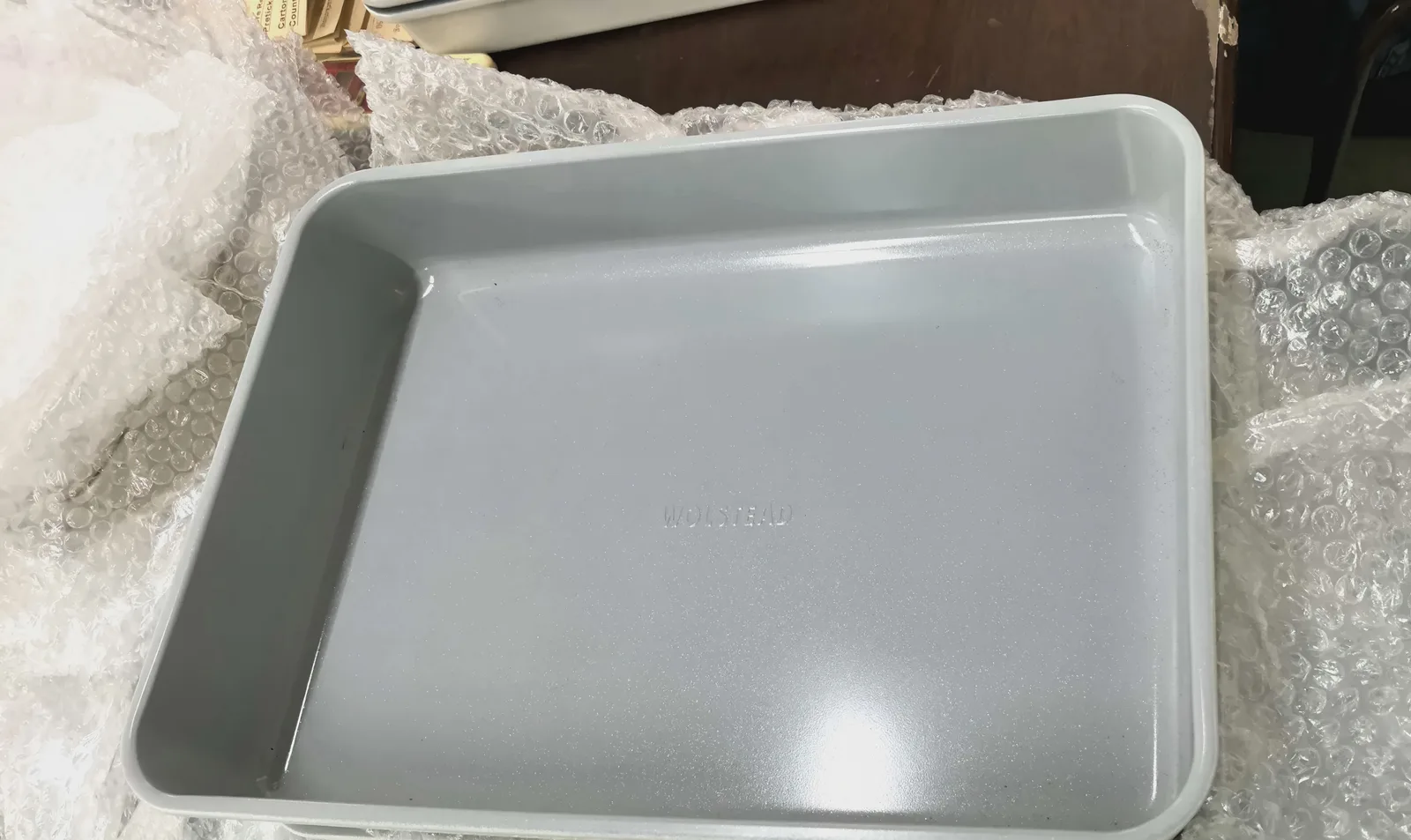
The evidence most buyers never collect. In our experience, the buyers who end up with returns are usually the ones who ordered from a photo and a price. The three pieces of evidence that prevent most problems cost nothing to ask for: the gauge and rim specification, the coating system name with its test report, and a baked sample. A sample you have actually baked with tells you more than any catalogue page — check the browning, the release, whether the pan stays flat after heating and cooling, and how the coating survives cleaning. Regular samples are usually ready within 5 days; custom samples need mould development, typically 25–35 days for the mould. That is a short wait compared with a container of pans your customers send back.
Which one fits your line
| الفولاذ الكربوني | الألومنيوم | |
|---|---|---|
| Heat conduction | Heats quickly and evenly; holds heat well once hot. | Heats very quickly; responds fast to temperature changes. |
| Weight and feel | Heavier, sturdier feel; rigid pans resist flexing. | Lighter; large trays are easier to handle. |
| Warp resistance | Heavy-gauge steel with rolled wire rims resists warping. | Thin aluminum warps more easily; heavy-gauge and reinforced rims help. |
| Rust and care | Needs a coating and dry storage; uncoated steel can rust. | Does not rust; anodized or coated surfaces need gentle cleaning. |
| Nonstick coating | Bonray supplies ceramic, silicone non-stick and PTFE coatings. PFAS-free options are ceramic and silicone-based coatings; PTFE is also available on request. | Commonly anodized, or supplied with nonstick coatings. |
| Best for | Loaf pans, cake pans, baking sheets and roasting pans where even browning and a sturdy feel matter. | Large flat trays, cookie sheets and high-volume lines where light weight matters. |
| Price position | Mid-range; tooling and gauge drive cost. | Mid-range; gauge and anodizing drive cost. |
Note: this table compares materials in general, not the test data of one specific Bonray product. For a specific product, check the steel grade, thickness, coating and test standard on the Bonray product page and test report.
Choose carbon steel when the buyer cares about even browning, a solid feel in the hand, and durability over many bake cycles. It suits loaf pans, cake pans and roasting pans — products where the pan stays in a hot oven for a long time and where a warped tray is a visible quality failure.
Choose aluminum when weight matters — large baking sheets handled all day in a commercial bakery, or a retail line positioned as lightweight and easy to handle. For thin aluminum, ask about gauge and rim reinforcement: those two details decide whether the tray stays flat.
Before you order, check these five things:
- Gauge and rim: ask for the metal thickness and whether the rim is rolled or wired. A heavier gauge and a reinforced rim are the simplest warp protection.
- Coating and test report: confirm which coating system is used — ceramic, silicone non-stick or PTFE — and ask for the food-contact test report for your market.
- Size and customization: loaf pans are commonly sold by loaf weight (1 lb / 1.5 lb / 2 lb); baking sheets by standard tray sizes. Confirm custom sizes, logo, colour and packaging options.
- Sampling: order a sample and bake with it before committing to mass production.
- MOQ and lead time: Bonray’s standard MOQ is typically 500 pieces per product, and production lead time is 4–6 weeks depending on peak or regular season. Confirm both before you place the order.
What this guide cannot promise
A few honest boundaries. First, choosing the right material does not fix a bad coating or a thin gauge — the three details above matter more than the metal name on the label. Second, PFAS-free depends on the coating system, not the steel, and the test report that proves it is specific to your market; a report for one market does not automatically cover another. Third, exact pricing depends on gauge, tooling, coating and quantity, so no guide can quote you a price — that takes a spec and a quantity. And finally, this guide cannot decide your retail positioning for you: whether your customers will pay for a heavier, sturdier pan or prefer a lighter one is a decision only you can make from your own market. What it can do is stop you from paying to learn those lessons from a return shipment.
Your next step
Do one thing before your next order: pick the pan in your line that generates the most complaints, and ask your supplier for its gauge, its rim type and its coating test report. If any of the three answers is missing, you have found your next conversation. Then order a sample of the replacement — regular samples are ready within 5 days — and bake with it before you commit.
When you are ready to quote, send the product, the size, the coating you want, the quantity, your target market and your timeline. That is the whole inquiry: with those six items, a factory can give you a straight answer on sample time, lead time and price, instead of three rounds of back-and-forth.
Browse the ورقة الخبز, Bread & Loaf Pan و صواني الكيك ranges to see the sizes and coatings we run, or send an inquiry with your spec and we will confirm the sample and lead time for your product.
التعليمات
Q: Is carbon steel bakeware better than aluminum bakeware?
A: Neither is better in every case. Carbon steel gives even browning and a sturdier feel and suits loaf pans, cake pans and roasting pans. Aluminum is lighter and heats faster and suits large flat trays. Choose by the product and the end user, not by the material alone.
Q: Does carbon steel bakeware warp?
A: Thin carbon steel can warp under repeated heating and cooling. Heavy-gauge steel with rolled wire rims resists warping much better — ask for the gauge and rim type before ordering.
Q: Is carbon steel bakeware PFAS-free?
A: It depends on the coating, not the steel. Bonray’s carbon steel bakeware is available with PFAS-free ceramic and silicone non-stick coatings; PTFE coatings are also available on request. Food-contact test reports are provided with orders.
Q: What is the MOQ for custom carbon steel or aluminum bakeware?
A: Our standard MOQ is typically 500 pieces per product. It can vary with the product and the level of customization — contact us for a quote for your specific product.
About Bonray
بونراي has made OEM bakeware in China since 2014 — twelve years, and more than 100 brands served. We press carbon steel and aluminum bakeware to customer drawings, with ceramic, silicone non-stick and PTFE coatings, and food-contact testing for EU and US markets. Our standard MOQ is 500 pieces per product, production lead time is 4–6 weeks, regular samples are ready within 5 days, and custom samples need a mould, typically 25–35 days. If you are lining up a bakeware range for next season, send us your spec — size, coating, quantity, target market — and we will tell you honestly whether it is a fit, and what the sample and lead time look like.