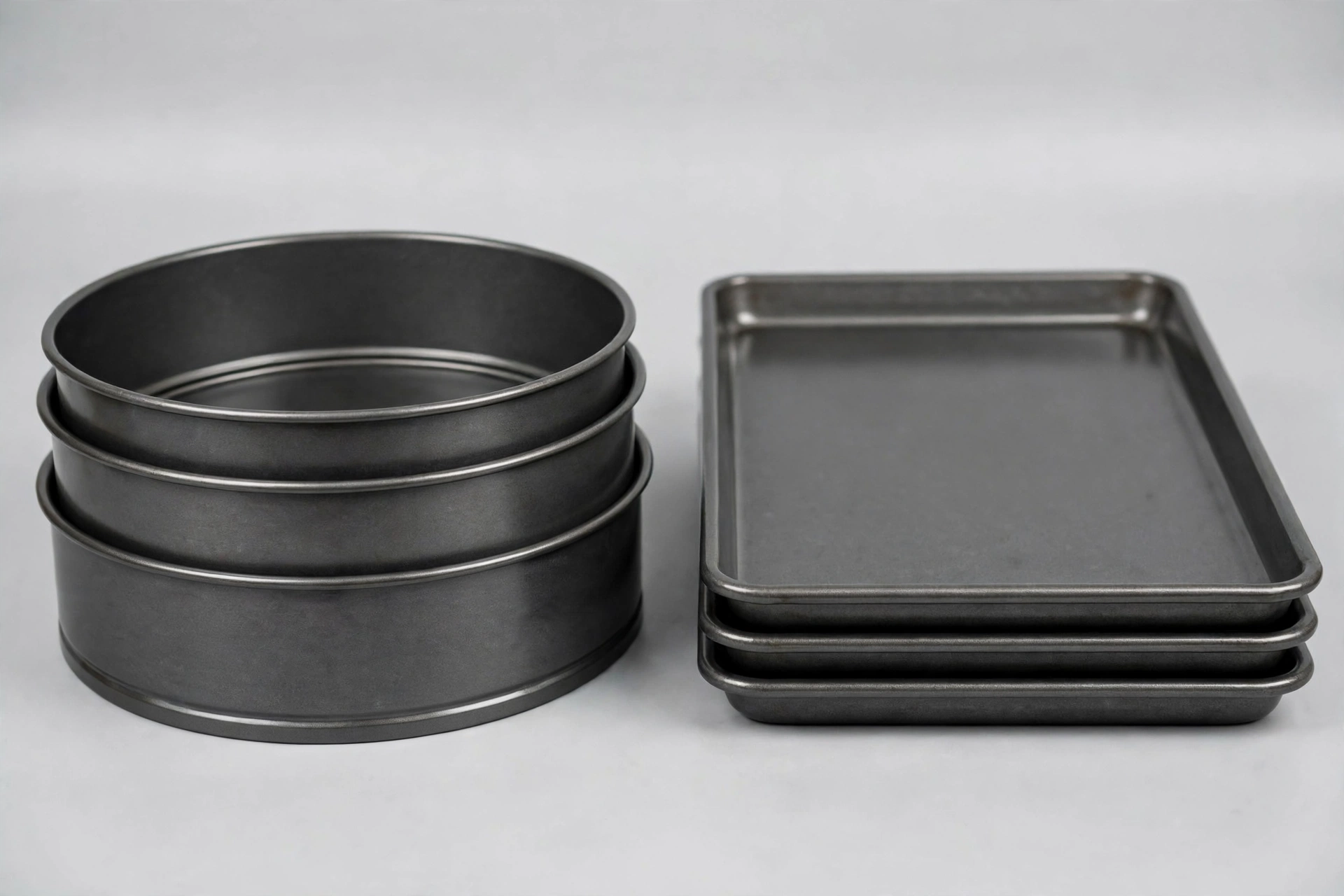

The EU Carbon Border Adjustment Mechanism (CBAM) now applies to iron, steel and aluminium bakeware imported into the EU. If you import more than 50 tonnes of in-scope goods in a calendar year, you need authorised CBAM declarant status, CBAM certificates go on sale on 1 February 2027, and your first annual declaration is due by 30 September 2027. Bonray can supply the product, material and weight data your declarant needs — ask us early, so your records are ready.
What is CBAM?
CBAM is the EU’s Carbon Border Adjustment Mechanism, established by Regulation (EU) 2023/956 and simplified by Regulation (EU) 2025/2083. It puts a carbon price on certain goods imported into the EU, to match the carbon cost EU producers pay under the EU Emissions Trading System.
CBAM covers six sectors: iron and steel, aluminium, cement, fertilisers, electricity and hydrogen. Whether a product is in scope is decided by its customs (CN) code in Annex I to the Regulation — not by its product name — so check your classification with your customs broker. The definitive regime, with financial obligations, started on 1 January 2026, replacing the transitional reporting phase that ran from October 2023 to December 2025.
Does CBAM cover bakeware?
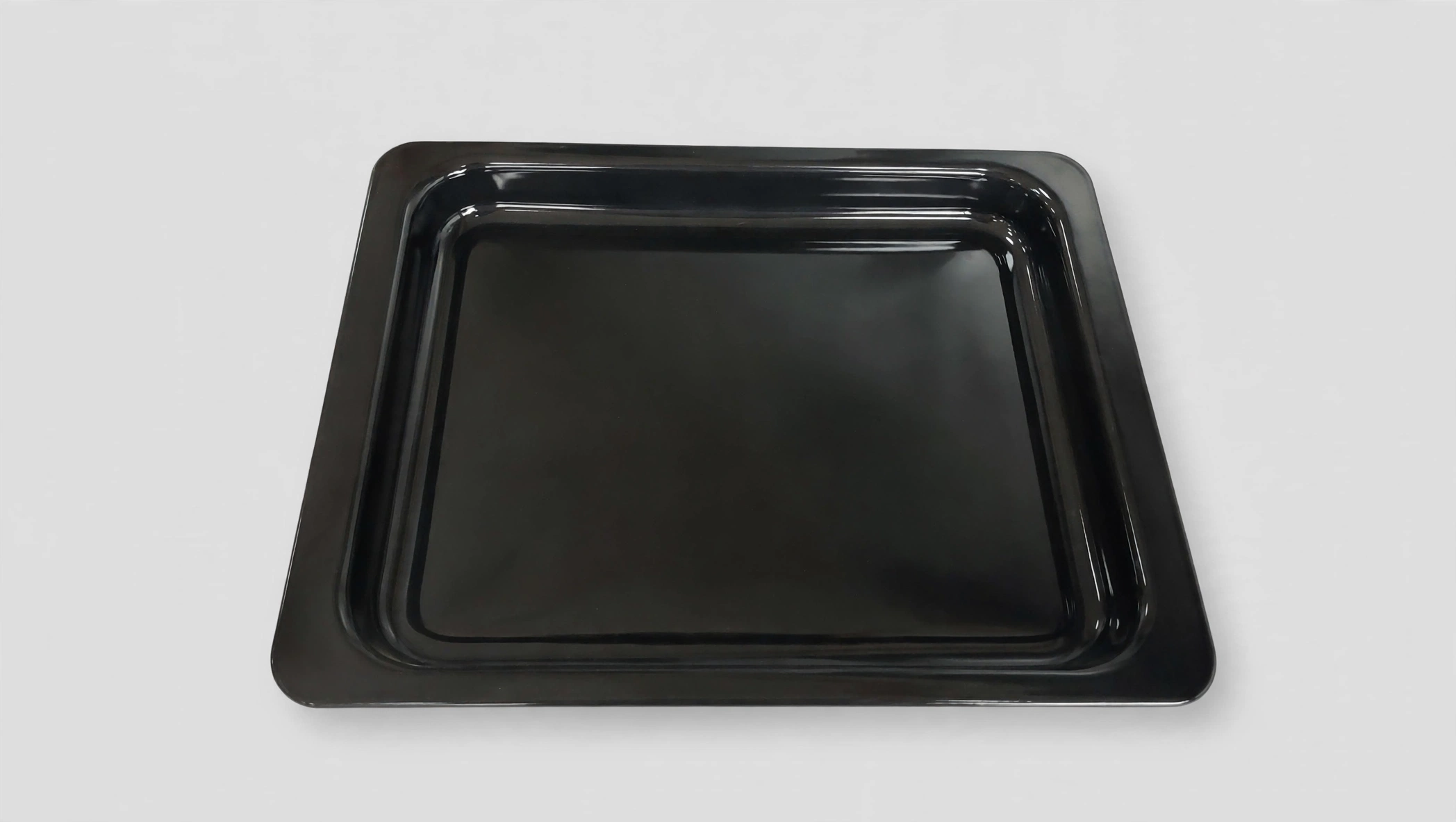
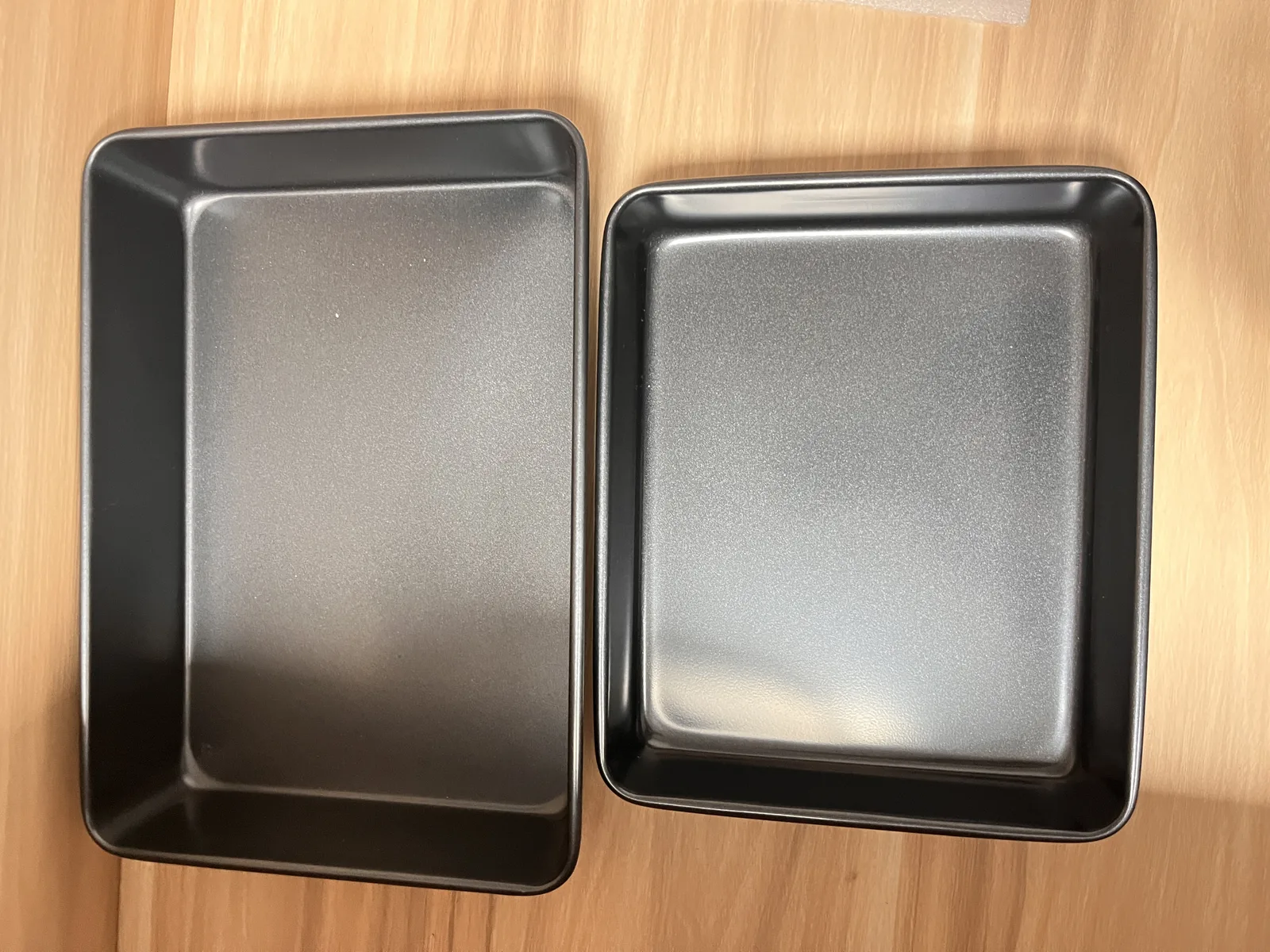
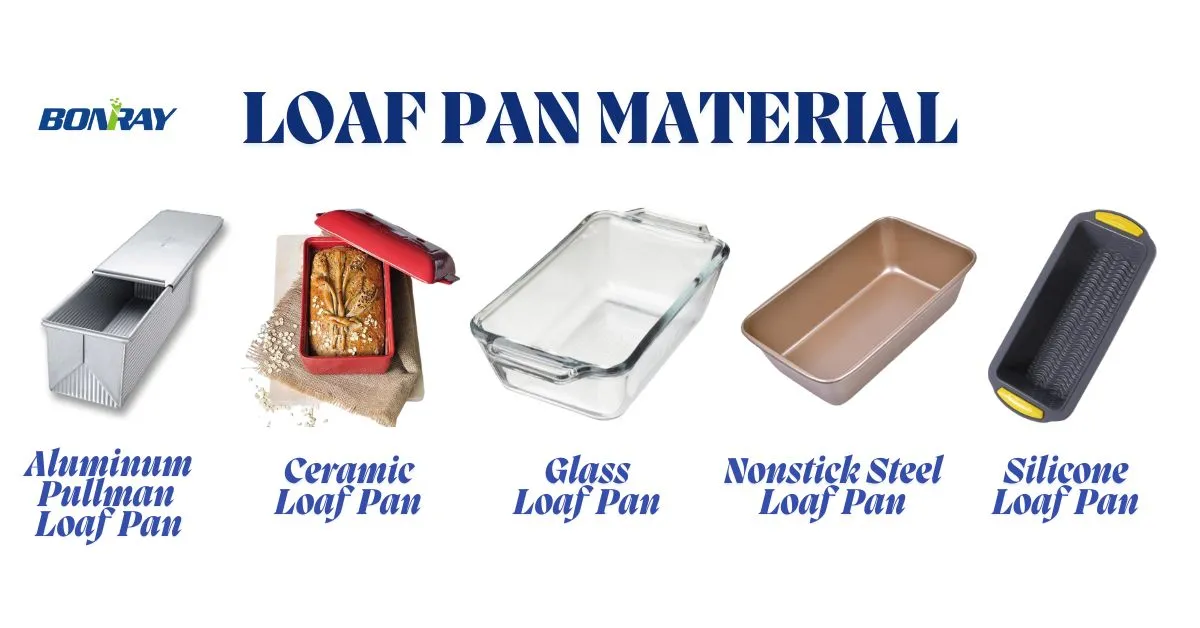
Yes, for most bakeware Bonray supplies. Carbon steel baking pans, baking trays, loaf pans and other iron and steel bakeware fall under the iron and steel sector, and aluminium bakeware falls under the aluminium sector. A non-stick coating does not change this: a ceramic, silicone non-stick or PTFE coated pan is still an iron or steel good for CBAM purposes, because the base material is what counts. Stainless steel cookware is covered the same way — if you also buy stainless steel cookware from us, see our cookware site, bonraycookware.com.
The 50-tonne threshold
The 2025 simplification introduced a single mass-based threshold: 50 tonnes of net mass per importer per calendar year, counted cumulatively across iron and steel, aluminium, fertilisers and cement.
- At or below 50 tonnes of in-scope goods in a calendar year, you are exempt from the main CBAM obligations for that year.
- Above 50 tonnes, the obligations apply to all in-scope goods you imported that year — not only the amount above the threshold.
- The count is per importer, per calendar year, across all your suppliers, not per shipment and not per supplier. Add up your total in-scope tonnage before deciding whether you are in scope.
Key dates
| Date | What happens |
|---|---|
| 1 January 2026 | CBAM definitive regime started. Imports of in-scope goods above the threshold carry a certificate obligation. |
| 1 February 2027 | CBAM certificate sales open on a common central platform. Authorised declarants buy certificates for their 2026 imports. No certificates were sold during 2026. |
| 30 September 2027 | First annual CBAM declaration due, covering 2026 imports, with the matching certificates surrendered by the same date. The declaration then recurs every year. |
Authorised CBAM declarant status
Above the threshold, only an authorised CBAM declarant may import in-scope goods. The status is held by you as the EU importer — or by your indirect customs representative if you are not established in the EU. Bonray, as the exporter outside the EU, cannot hold it for you, so allow time to apply in your EU member state before your imports cross the threshold.
What data will your declarant ask for — and what Bonray can supply
Your declarant needs to identify each product, confirm it is in scope, and record its weight and material. For each product and shipment, on request, we can supply:
- Product identification — product name and description, product type, and the customs / commodity code information we hold for the product.
- Material information — base material (iron / carbon steel, stainless steel or aluminium), including the grade where applicable, and the material certificates we hold for the batch.
- Coating information — coating type where applicable, for example ceramic, silicone non-stick or PTFE non-stick coating.
- Weight information — net weight per piece and total net weight per shipment, so you can track your volume against the 50-tonne threshold.
- Origin and factory information — country of origin (China), our factory name and address, and a general description of the production process.
- Shipment documents — commercial invoice and packing list showing product, material, quantity and weight for each shipment.
We do not publish emissions figures, certificate costs or prices. If your customs broker or adviser asks for specific installation or emissions data for a particular product, send us their exact request and we will confirm what we can provide for that product before you rely on it.
What to do now
- Add up your expected 2026 volume of in-scope goods across all suppliers and check it against the 50-tonne threshold.
- Confirm with your customs broker whether you need authorised CBAM declarant status, and apply in good time if you do.
- Ask us early for the product, material and weight information above for current or planned orders — we prepare it shipment by shipment, so your records are ready well before the first declaration date.
- Keep complete records for every shipment from the start: product, material, quantity and weight.
Frequently asked questions
Does CBAM apply to coated carbon steel bakeware?
Yes. A ceramic, silicone non-stick or PTFE coated baking pan is still an iron and steel good, because CBAM looks at the base material. The coating does not take the product out of scope.
What if I import less than 50 tonnes a year?
At or below 50 tonnes of in-scope goods per calendar year, you are exempt from the main CBAM obligations for that year. Keep tracking your volume — if you cross the threshold, the obligations apply to everything you imported that year.
Who pays for CBAM certificates?
You do, as the EU importer and authorised declarant. Certificates go on sale on 1 February 2027 and are priced from EU ETS allowance auction prices. Bonray does not buy or sell certificates and cannot quote certificate costs.
What should I ask my supplier for?
Product identification and customs code information, base material and grade, material certificates, coating type, and net weight per piece and per shipment — the list above. Ask before you order, so the data is ready when your declarant needs it.
About Bonray
Bonray Household Products Inc. has manufactured OEM bakeware in China since 2014, supplying 100+ brands worldwide. Our standard MOQ is typically 500 pieces per product, lead time is 4–6 weeks, and regular samples are ready within 5 days. Read more about us on our About page, or browse our assadeiras e formas de pão. For the materials behind our products, see Carbon Steel vs Aluminum Bakeware: Which to Source? e Enamel vs Ceramic Bakeware: Which to Source?.
Download the one-page version: Download the CBAM buyer note (PDF)
This article is general information only, not legal advice. Please confirm your own position with your customs broker or adviser. Sources: Regulation (EU) 2023/956 as amended by Regulation (EU) 2025/2083, EUR-Lex.