
A non-stick coating is the part of a bakeware programme buyers most often under-specify. The purchase order says “non-stick coating, black”, production runs, and the first time anyone learns what was actually applied is when retail customers start returning pans. The coating name alone does not prevent that outcome. Coating performance is a system property: it depends on the substrate, the surface preparation, the coating system, the applied film, and the curing — and every one of those can be specified, tested and written into a quotation request. This guide sets out what a complete coating specification for OEM carbon steel bakeware contains, and which test methods give the specification teeth.
Why “non-stick, black” is not a specification
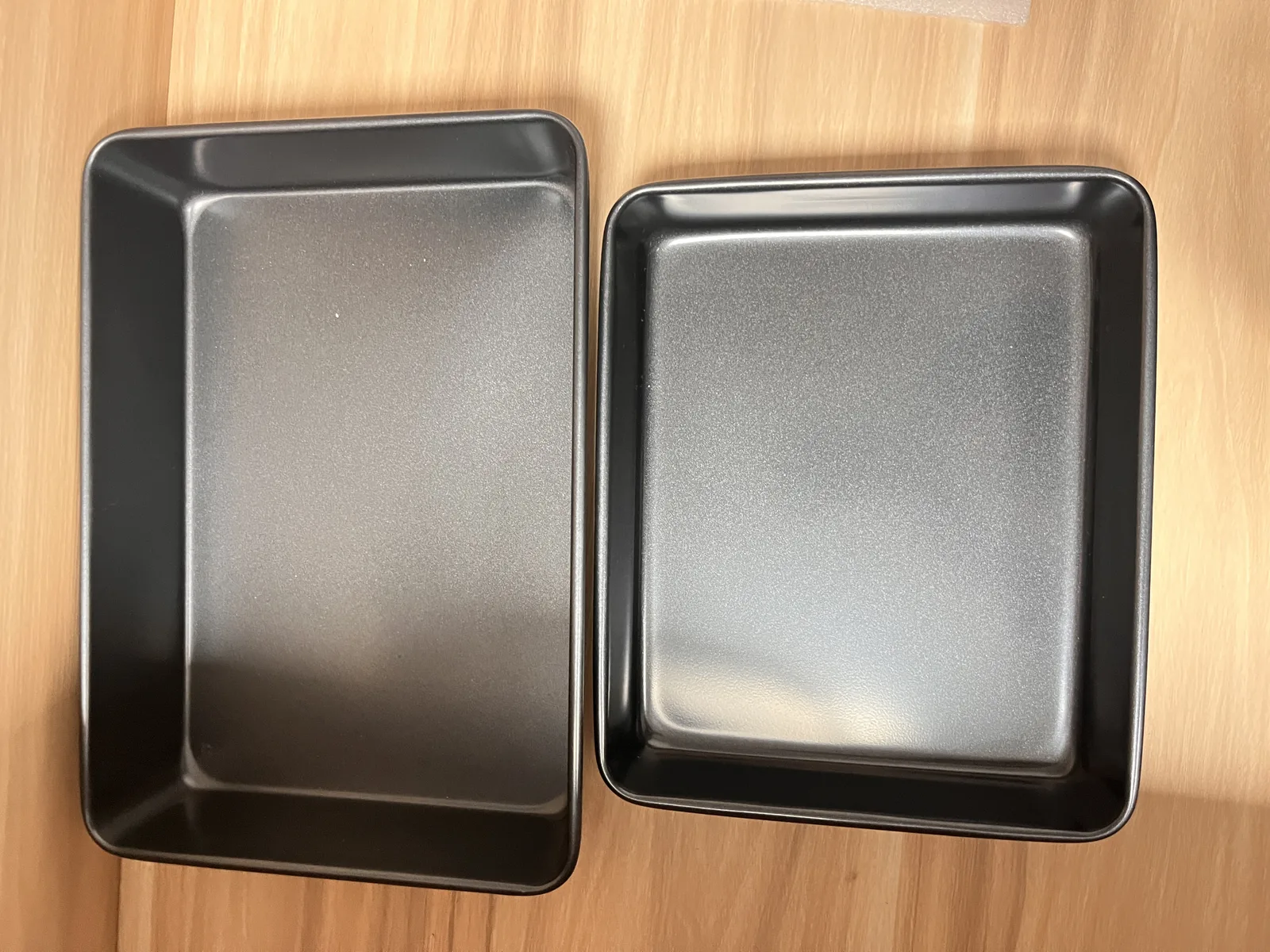
Two pans can both be honestly described as “non-stick, black” and behave completely differently in use. One carries a single-layer coating applied over a properly prepared surface and fully cured; the other carries a thinner film over a poorly prepared substrate. Both release food on day one. Six months later, one is still in service and the other is flaking. The difference is not the colour and not the marketing name — it is the preparation, the film build, the cure, and whether any of it was verified. A specification exists to close that gap before tooling and production money is committed.
The five elements of a coating specification
1. Substrate and gauge
Start with the pan itself: material (for this class of product, carbon steel) and steel gauge. The coating is only as stable as the surface under it, and the gauge programme — for example 0.4, 0.6 or 0.8 mm — changes how the pan flexes in use, which stresses the coating film. State the substrate and the gauge version the coating will be applied to; a coating approved on one gauge is not automatically approved on another.
2. Surface preparation
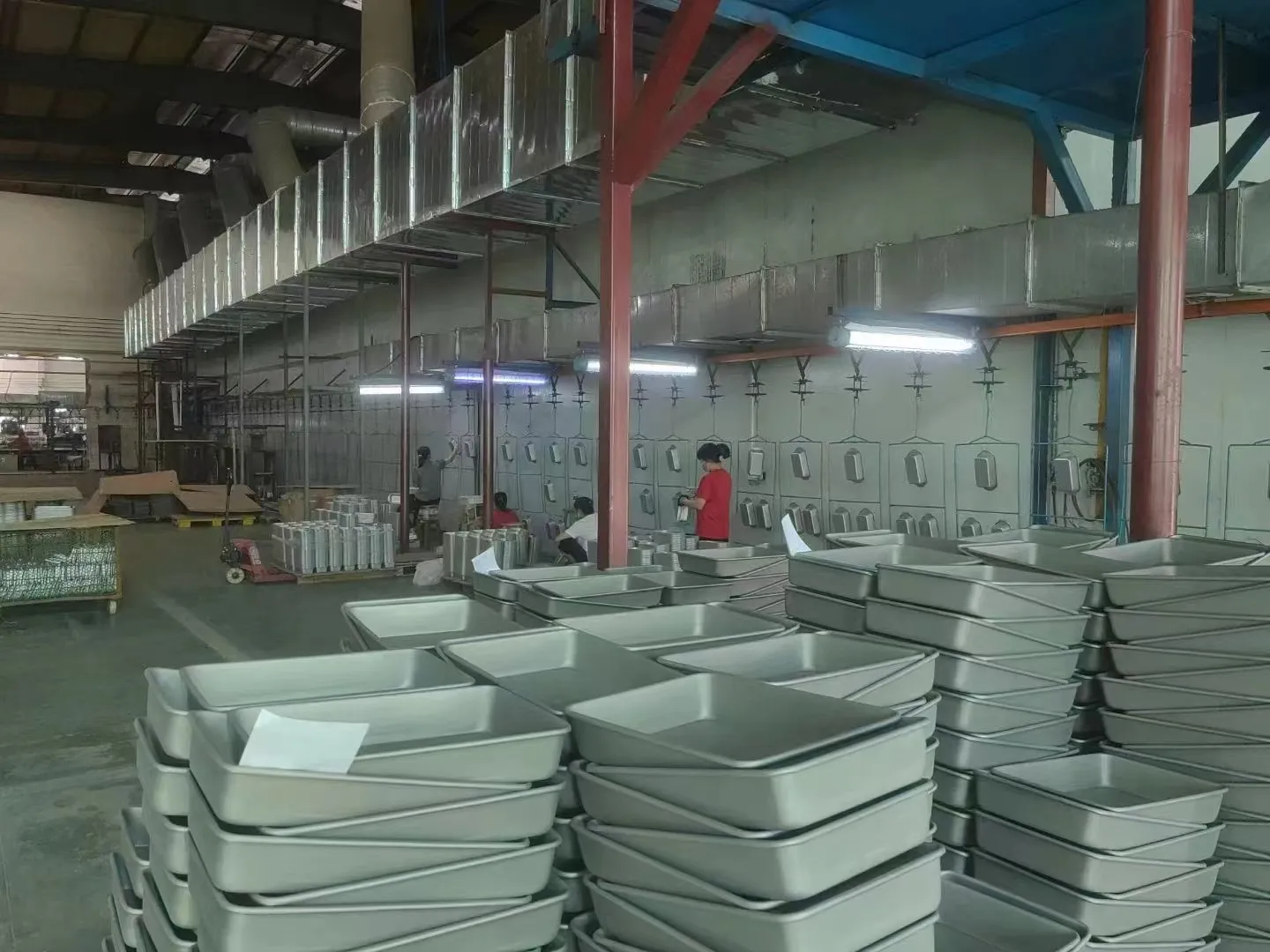
Adhesion is decided before the coating is sprayed. The specification should state that the substrate is cleaned and surface-prepared before application, and that coating is applied and cured as one controlled process. If a supplier cannot describe their preparation step, that is information — treat it as such.
3. Coating system and colour
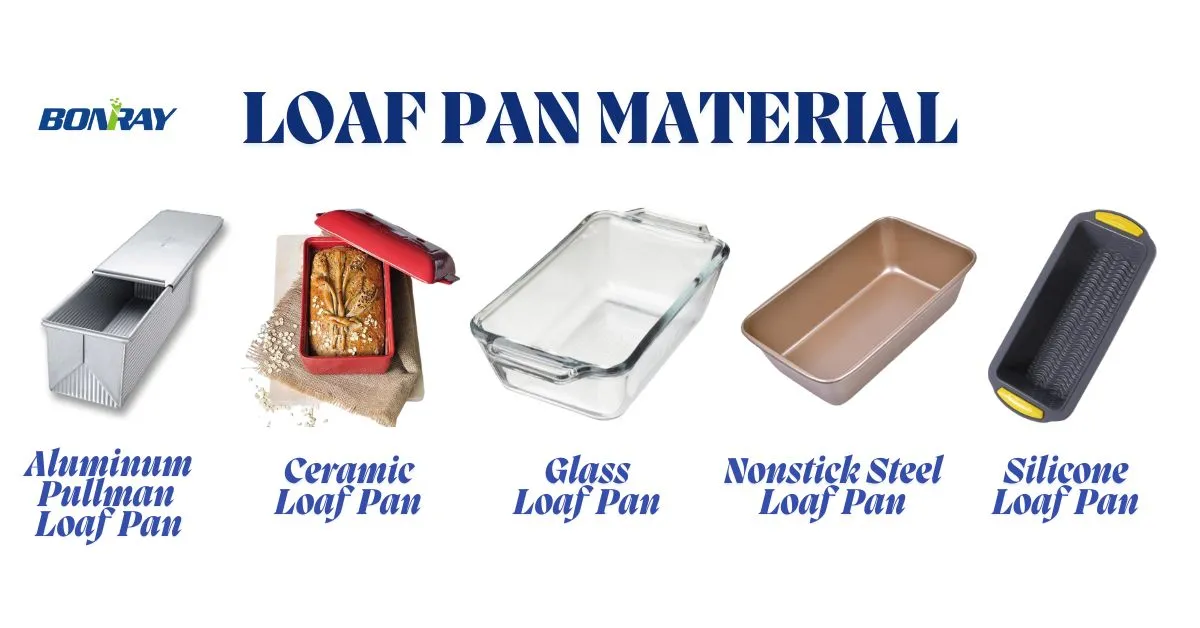
Name the coating system where one is specified (for example, a single-layer non-stick system in grey-black for a retail range, or a named system such as a Whitford Xylan coating where the programme calls for it), and state the colour and finish. “Coating system and colour can be specified per project” is the correct basis for an OEM conversation — but the chosen system must then be written into the order documents, not left as a verbal understanding.
4. Where the coating applies
State the coverage: interior only, or interior and exterior; whether the rim and the base are included. Coverage differences are a common source of “same product” disputes between a sample and a production run.
5. The test methods you will accept
This is the element most specifications omit, and it is the one that makes the other four enforceable.
Coating specification checklist
| Element | What to state |
|---|---|
| Substrate and gauge | The substrate material and the steel thickness the coating must suit |
| Surface preparation | The preparation the surface must receive before coating |
| Coating system and colour | The coating system and the colour or finish required |
| Where the coating applies | Interior, exterior or both — and any areas to stay uncoated |
| Test methods you will accept | The acceptance tests required, such as MEK solvent resistance per ASTM D5402 and cross-hatch adhesion, and the evidence to be supplied |
Test methods to write into the specification
Solvent resistance — the MEK test and ASTM D5402
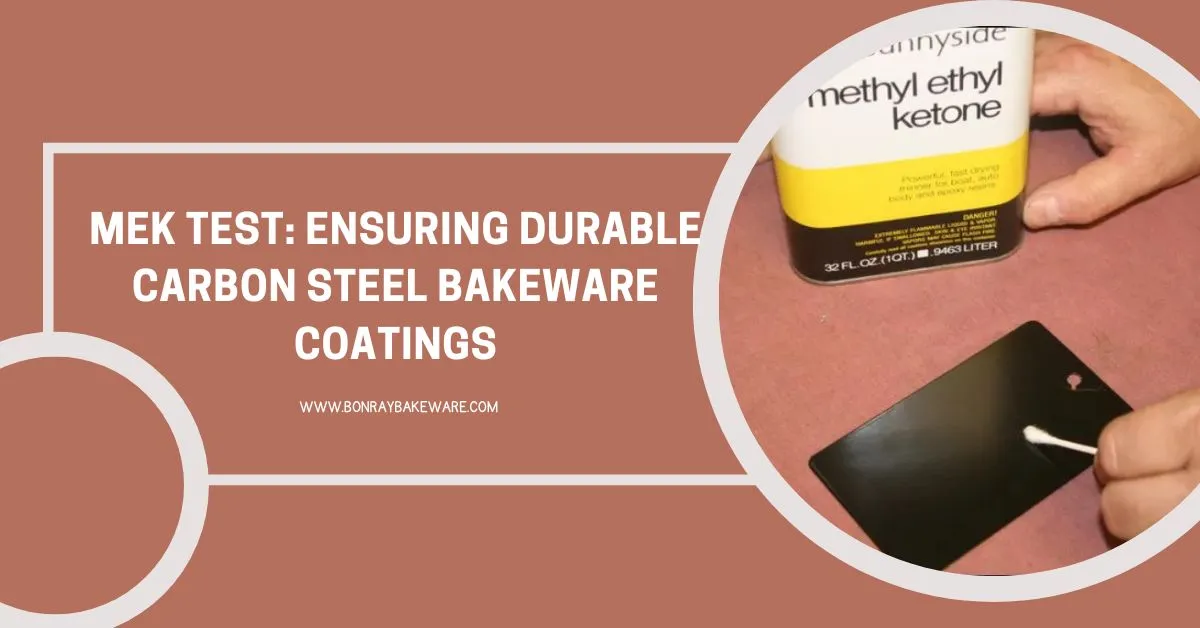
The MEK (methyl ethyl ketone) double-rub test checks whether a coating is fully cured: a cloth soaked in MEK is rubbed across the surface for a counted number of double rubs, and the coating is inspected for softening, colour transfer or breakthrough to the substrate. An under-cured coating fails early; a properly cured one withstands the test. The method is standardised as ASTM D5402, the standard practice for assessing the solvent resistance of organic coatings using solvent rubs. Writing “solvent resistance assessed per ASTM D5402” into a specification converts “fully cured” from a claim into a checkable requirement. Our detailed guide to the MEK test in bakeware production explains how the test is run and read. MEK test in bakeware production
Adhesion — cross-hatch testing
The cross-hatch (cross-cut) test scores a lattice through the coating and applies and removes adhesive tape; the amount of coating lifted grades the adhesion. It is a fast, destructive-on-sample check that catches preparation problems a visual inspection misses. A specification should require adhesion testing on production samples, because adhesion failure in the field is the most expensive coating failure there is. Our adhesion inspection guide walks through the procedure. adhesion inspection guide
Appearance and coverage
Visual inspection still matters: even colour, complete coverage, no runs, pinholes or bare patches. State it as a requirement with the sample as the reference standard, so “appearance” is judged against an agreed sample rather than an opinion.
Food-contact requirements
For bakeware, state the food-contact standard the finished product must meet — in Bonray’s specification sheets this is the FDA standard stated in the product specification. The buyer should name the standard their market requires and have it confirmed against the exact version ordered, not assumed from a different product in the same catalogue.
Putting it into a quotation request
A coating quotation is only comparable when every supplier prices the same specification. Send each supplier the same five elements — substrate and gauge, preparation, coating system and colour, coverage, and the test methods with their standards — plus the product dimensions and volumes. Quotes that come back against a written specification can be compared line by line; quotes against “non-stick, black” cannot. Expect the minimum order quantity to depend on the version and the customisation scope: a named coating system, a non-standard colour or a new size each change the economics, and a serious supplier will quote against your specification rather than quote a generic number first.
Common specification mistakes
- Specifying the brand, not the behaviour. A coating name without test methods is a label, not a requirement.
- Approving on a sample, testing nothing in production. Require the same tests on production samples that the approval sample passed.
- One specification for every gauge. Flexing stress differs by gauge; confirm the coating on the version you will actually order.
- Leaving colour and coverage verbal. If it is not in the order documents, it is not in the product.
- Treating food-contact compliance as transferable. Confirm the standard against the exact version ordered.
Buyer FAQ
Is a named coating system always better than a single-layer coating?
Not automatically. Performance depends on preparation, application and curing as much as on the system name. A well-applied and verified single-layer coating outperforms a named system that was never tested.
What does the MEK test actually prove?
It assesses cure and solvent resistance per ASTM D5402. A coating that passes has been properly cured; an under-cured coating — the kind that fails early in service — is caught before shipment.
How many test results should I ask for?
Ask for the specification sheet of the exact version you are ordering, and require the specified tests (solvent resistance, adhesion, appearance, food-contact standard) to be part of the quality checks on that version.
Can the coating colour be customised for a private-label range?
Yes — coating system and colour are specified per project in OEM programmes. Put the chosen colour and finish in writing in the order documents.
Need Custom Bakeware Manufacturing?
Send us your product drawings or a reference sample, target dimensions, material and steel thickness, coating and packaging requirements, and estimated order quantity. We reply to qualified B2B inquiries with a quotation and the specification sheet for the version you selected.